Your Guide to Picking a Pest Control Company in Hamilton
Why pest control is important in Hamilton, ON
If you're looking for pest control Hamilton solutions, it helps to know why pest pressure is so persistent in Hamilton, ON. The city’s local climate, nearby position to the Niagara Escarpment, and blend of older urban streets, downtown properties, and newer suburban neighbourhoods all lead to conditions where pests can flourish. Pest activity through the seasons changes throughout the year, but homes and businesses across the city still face ongoing residential pest risks.
In Southern Ontario, humid summers can increase insect activity, while cold winters push rodents indoors. That means prevention is not just about reacting to a visible infestation; it is about year-round property protection. A local pest control company that understands Hamilton’s neighbourhoods, from older core areas to homes near green space, can identify the nesting sites and entry routes that commonly go unnoticed.
Hamilton’s housing mix matters too. Older homes often have hidden gaps around foundations, utility penetrations, and aging materials. Newer homes may have fewer structural vulnerabilities, but they can still face pressure from nearby lots, drainage issues, and seasonal pests moving through the GTHA. The right strategy combines home inspection, sanitation, moisture management, and targeted treatment planning.
Common pests dealt with by Hamilton pest control companies
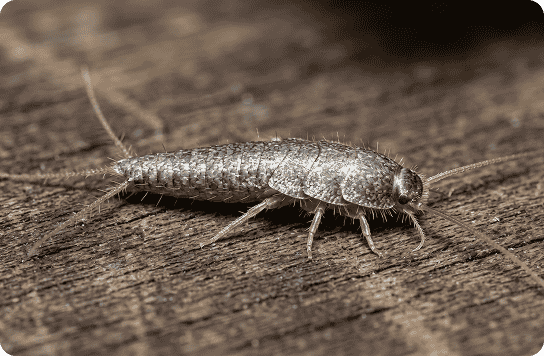
Professional pest control Hamilton providers commonly address a wide range of pest issues, and the most frequent ones in the city often include ants, cockroaches, mice, and bed bugs. A number of companies also handle rats, wasps, spiders, carpenter ants, and silverfish, especially in parts of the city where moisture, food sources, or structural access points are present.
Ants can spread quickly through kitchens, wall voids, and basement spaces. Carpenter ants are especially worrying because they can damage wood and indicate hidden moisture issues. Cockroaches are often associated with warm, humid areas and food access, which makes apartments, restaurants, and shared buildings more vulnerable. Mice and rats are common rodent-management concerns in Hamilton because they can get in through tiny entry points and settle into basements, crawlspaces, and utility areas.
Bed bugs require a different strategy than rodents or crawling insects because they spread through furniture, luggage, and close living spaces. They are often a serious issue in multi-unit housing and can move between units if the building is not treated properly. Wasps tend to be a seasonal concern, especially in warmer months when nests become active around eaves, decks, and outdoor spaces. Spiders and silverfish may not always cause structural damage, but they often indicate moisture, clutter, or access points that need careful attention.
An seasoned extermination provider does more than remove the visible pest. It should identify what kind of pest is present, how it entered, and whether the environment supports future activity. That is the difference between short-term relief and true eradication.
Signs you may need licensed pest control Hamilton solutions
A lot of homeowners delay too long before calling for help, especially when the early signs seem minor. If you notice droppings, unexplained property damage, nesting evidence, or a lingering odor, it is time to contact a professional. These warning signs often mean pests are already living inside the structure.
Droppings are one of the clearest signs of rodent control needs. Mouse or rat droppings near pantry areas, under sinks, in basements, or along baseboards usually mean there is active movement. Property damage can include gnaw marks on packaging, shredded insulation, chewed wires, or damaged wood. In Hamilton homes with older construction, these issues can develop quietly behind finished walls or in less-used spaces.
Nesting evidence may include shredded paper, insulation, fabric, or debris tucked into hidden corners. Rodents and insects often choose basements, attics, wall voids, and storage areas because these spaces are quiet and protected. A strong or unusual odor can also be a clue. Rodent urine, rotting food sources, or decaying pest activity can create smells that intensify over time.
If you suspect an infestation, do not rely on guesswork. A licensed technician can conduct a proper inspection, identify the species involved, and recommend a treatment plan based on the level of activity and the structure of the property.
What a local Hamilton pest control company should offer
A reliable local pest control company should offer a clear process, not just a quick spray. At minimum, the service should begin with a thorough inspection to locate pest activity, nesting https://sites.google.com/view/pest-control-in-hamilton/ sites, moisture issues, and structural vulnerabilities. From there, the company should develop a customized treatment plan based on the pest species, the size of the property, and whether the issue is isolated or widespread.
Proper service usually includes more than one visit. A well-timed follow-up service or follow-up visit helps ensure that the treatment worked and that activity is declining. This matters for hard-to-treat pests like mice, cockroaches, and bed bugs, where one treatment rarely solves the entire problem. Ongoing monitoring also supports prevention, especially in buildings with repeat pressure.
Another key expectation is integrated pest management. This approach focuses on lasting prevention, sanitation, sealing gaps, moisture reduction, habitat modification, and targeted control methods. It is smarter than simply applying products. A good provider will explain how each step helps eradication and property protection while aiming to be safe for families.
Hamilton homeowners should also ask about eco-friendly options, especially if they have children, seniors, or pets in the home. A professional service should be able to clarify when a product is needed, why it is appropriate, and how the plan reduces risk. If same-day service is available for urgent situations, that can be a sign of strong local responsiveness as well.
How pest prevention operates for homes, apartments, and businesses
Pest management is hardly one-size-fits-all. A property’s configuration, purpose, and number of occupants all affect the strategy. In single-family homes, the emphasis is often on entry points, cellars, foundation gaps, attic spaces, and storage areas for food. In Hamilton’s older urban housing, these vulnerabilities can be especially obvious because of aging materials and hidden cracks.
In multi-unit buildings, the stakes are higher because pests can move through shared walls, utility chases, hallways, and common laundry or garbage areas. Bed bugs, cockroaches, and mice are especially problematic in these settings because one untreated unit can affect the entire building. For that reason property managers need a coordinated treatment plan, regular inspection, and clear communication with tenants.
Restaurants need a different level of attention because food, grease, waste, and frequent deliveries increase pest pressure. A pest issue in a food service environment can affect regulatory compliance, reputation, and operations. Commercial properties such as offices, retail locations, warehouses, and mixed-use buildings also need commercial pest control tailored to traffic patterns, storage areas, and building access points.
For businesses, commercial pest control should include prevention, monitoring, sanitation support, and fast response when activity is detected. A company that understands Hamilton’s business districts and industrial corridors can better protect operations from recurring pest issues.
Hamilton-area pest concerns: what residents should know
Hamilton’s geography brings specific pest challenges. Properties near the Niagara Escarpment and nearby nearby green space may see increased pest movement, especially during seasonal shifts. Birds, mice, ants, and wasps may all become more noticeable where green borders and wooded areas intersect with neighbourhoods.
Hamilton’s mix of older housing stock and dense neighbourhoods also increases risk. Many older homes frequently have older foundations, aging window seals, and utility openings that provide entry for pests. Across parts of the city where renovations have been done in stages, some areas may be sealed while other spots remain open. City-centre buildings can also face more pressure because of bins, laneways, shared walls, and constant activity.
Basements are especially concerning in Hamilton pest control. They commonly contain humidity, storage items, mechanical systems, and hidden corners where rodents and insects tend to hide. Crawlspaces and unfinished lower levels may also become ideal nesting spots if dampness and entry points are not managed. Often, the earliest signs of trouble appear below grade before anyone sees pests upstairs.
Seasonal swings in Southern Ontario are also a factor. Humid summers can increase insect control needs, especially for ants, wasps, cockroaches, and silverfish. Cold winters often send mice and rats toward heated buildings. A local provider that understands local pest patterns can schedule prevention work to align with the city’s weather instead of treating every property the same way.
A guide to comparing pest control Hamilton companies in Hamilton
When comparing providers, begin with the basics: licence, liability coverage, reviews, and work guarantees. The technician should be able to explain the treatment process clearly and answer questions about methods, materials, and safety. Insurance matters because it protects both the homeowner and the company in the event of an incident.
Reviews can help you understand how a company communicates, how quickly it responds, and whether it resolves problems instead of offering temporary fixes. Look for comments that mention careful inspection, plain explanations, punctual service, and effective follow-up. A strong reputation in Hamilton often comes from consistent work across neighbourhoods, not just from advertising.
Mosquito Man Hamilton62 First Rd W, Hamilton, ON L8J 3R2, Canada
+1 289-408-9573
https://maps.app.goo.gl/47W3PJ15EnQopiUf6
https://sites.google.com/view/pest-control-hamilton-ontario/
43.1795221, -79.7846013
Service guarantees are also important. Ask what happens if pests return after treatment. A company that stands behind its work will explain the terms of follow-up service, what is covered, and how long the guarantee lasts. Some providers offer same-day service for urgent cases, while others focus on scheduled inspections and longer-term management.
You should also compare how each company approaches prevention. The best providers do not just focus on extermination; they explain how to reduce moisture, seal entry points, and minimize nesting opportunities. That broader approach is a sign of strong integrated pest management and better long-term value.
Prevention advice for Hamilton properties
Taking preventive steps is a highly effective way to reduce pest pressure in Hamilton. Start, by sealing entry points around doors, windows, utility lines, vents, and foundation gaps. Small openings alone can enable mice, ants, and other pests inside. In older homes and buildings, weatherstripping and caulking may need regular upkeep because of wear and settling.
Sanitation is just as important. Keep food sealed, remove crumbs and grease quickly, empty indoor garbage regularly, and reduce clutter that can serve as shelter. Kitchens, storage areas, and basement rooms should be checked often because pests are drawn to food sources and protected spaces. Good sanitation also supports rodent control and insect control by making the property less attractive.
Moisture control is an important priority. Fix leaks, improve ventilation, and use dehumidifiers where needed, especially in basements and crawlspaces. Moisture attracts silverfish, carpenter ants, cockroaches, and other pests that prefer damp conditions. It can also weaken building materials and create more nesting sites over time.
Yard maintenance should not be overlooked. Keep grass trimmed, remove leaf litter, store firewood away from the house, and avoid allowing shrubs to touch exterior walls. Garbage bins should be closed tightly and kept away from easy access routes. In Hamilton properties near green space or the Niagara Escarpment, a tidy yard can make a noticeable difference in how often pests approach the home.
When you should call for emergency pest removal
Some situations need urgent action. If you are dealing with a large infestation, a pest issue that is spreading quickly, or signs of serious health risks, do not wait. Emergency pest removal may be necessary when rodents are active in food preparation areas, when cockroaches are widespread, or when bed bugs are affecting sleeping spaces across multiple rooms.
Call as soon as possible if anyone in the home is experiencing allergic reactions caused by pests, bites, droppings, or airborne debris. Wasps can also present urgent risk if a nest is located near an entrance, deck, or play area. Rodents, meanwhile, can cause sanitation hazards and damage that worsens the longer the problem goes untreated.
A service provider that provides rapid response can minimize concern and limit damage. Prompt action is especially important crucial for commercial pest control, multi-unit housing, and food-related businesses where activities may be disrupted right away. In addition in a household environment, quick intervention can stop pests from spreading into walls, storage, or adjoining units.
Urgent response should still cover a proper inspection and a clear plan. Speed matters, but so does precision. The ideal outcome comes from locating the cause, addressing the issue correctly, and following up to make sure the problem is truly resolved.
FAQs about pest control in Hamilton
How much does pest control in Hamilton typically cost?
Cost factors can change depending on the pest type, the size of the property, the severity of the infestation, and whether follow-up visits are required. A mouse problem in a single-family home will usually cost differently than bed bug treatment in multi-unit housing or commercial pest control for a restaurant. Inspection details, treatment plan complexity, and the number of service visits all affect final pricing.
What pests are most common in Hamilton homes?
Frequent pests in Hamilton homes can include ants, mice, rats, cockroaches, bed bugs, wasps, spiders, carpenter ants, and silverfish. Weather-related pests vary with the weather, so humid summers and cold winters can affect which species become most active. Homes near basements, green space, or older neighbourhoods often face more pressure.
Are pest control treatments safe for kids and pets?
Numerous contemporary treatments are designed to be secure for households when applied correctly by a licensed specialist. Check about how safe the treatment is, environmentally friendly options, and any preparation instructions required before service. A specialist should outline how the products are applied, where they are applied, and when it is safe to re-enter to treated areas.
How rapidly can a local Hamilton pest control company arrive?
Response times depend on the company’s calendar, the type of pest, and whether day-of service is available. Urgent situations such as ongoing rodent activity, a major infestation, or nesting wasps near entrances may receive faster attention. A local pest control company with strong Hamilton coverage is often able to respond more quickly than a provider serving a wider area.
Do I need one-time treatment or continued pest control service?
That depends on the problem. A single treatment may be adequate for a limited issue, but ongoing service is often more effective for properties with ongoing pest pressure, such as shared buildings, eateries, and homes with recurring entry points or moisture concerns. Integrated pest management is usually the most efficient long-term strategy because it combines prevention, monitoring, and targeted treatment rather than relying on extermination alone.